Why the Thread Still Wins: Section Sewing in Modern Book Production
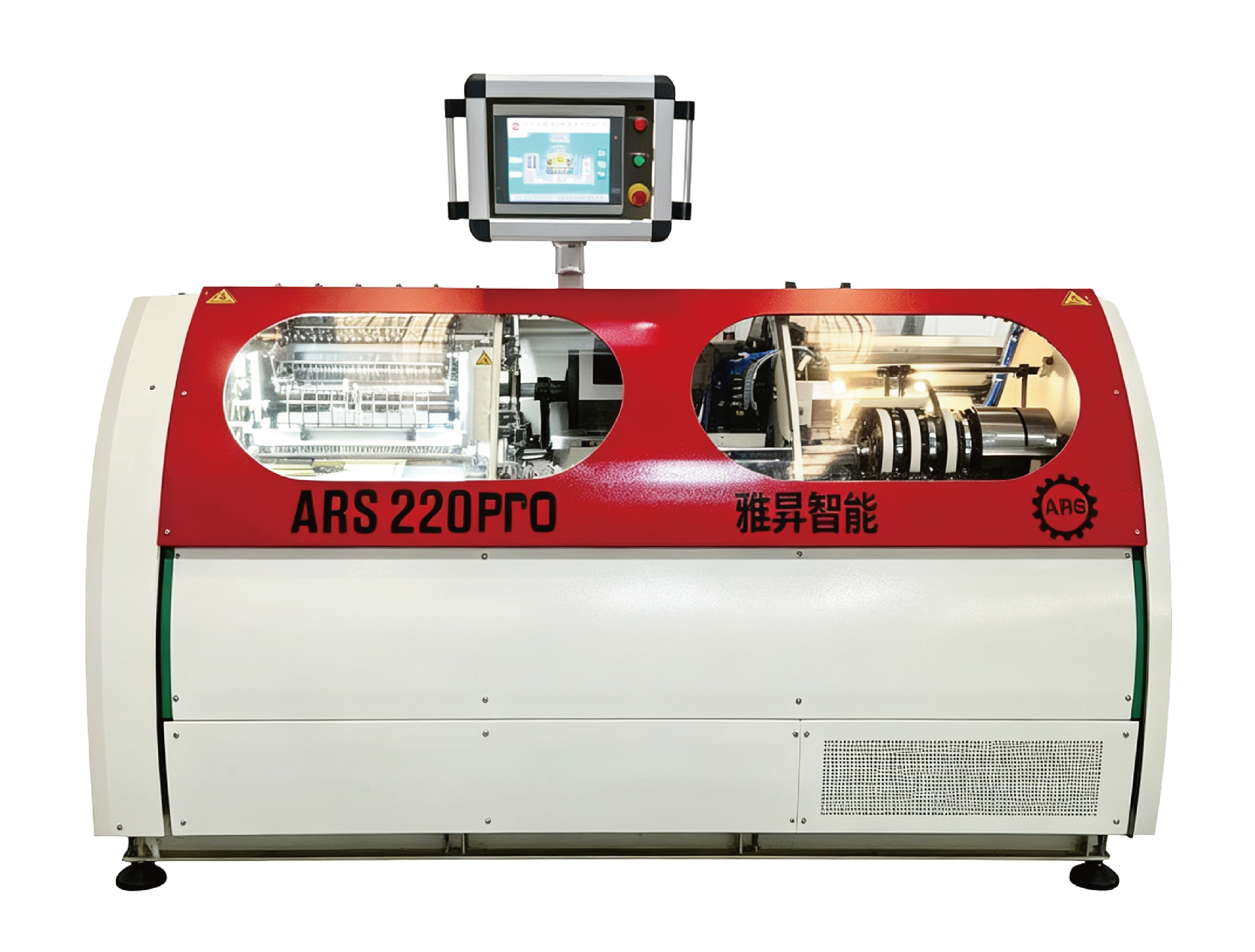
If you ask most publishers today, they'll tell you the book economy has split in two: short-run digital (speed, SKUs, inventory-free) and mid/long-run physical (durability, prestige, returns-proof).
What hasn't changed—and what's quietly driving the premium segment—is the oldest rule in the plant: a book block is only as strong as its spine connection. That's why section sewing (lock-stitch) is back in the conversation, not as nostalgia, but as a performance requirement.
The Dynamics Pushing Sewing Forward
Three trends keep lock-stitch relevant:
- Heavier substrates & mixed media: Coated stocks, higher basis weights, and layered covers look beautiful, but they resist opening. PUR alone can't guarantee the same lay-flat behavior over thousands of cycles. Sewn blocks stay hinged, not just glued.
- Library & institutional specs: More RFPs now spell out "section-sewn" explicitly because it survives shelving, shipping, and re-shelving better than even the best PUR.
- Automation pressure: The bottleneck isn't "can we sew?" it's changeover: different signatures, formats, and small-to-mid batches without burning hours on setup.
Where the Machine Discussion Actually Lives
The real competitive gap isn't "sewn vs. glued." It's sewn at throughput, with consistent tension, clean stitch geometry, and fast make-ready. In practice, that means:
- Stable knit/thread control: Skip-stitch logic, tension discipline, proper locking
- Inline prep: Folded-signature readiness, caliper checks, fewer manual touches
- Quick-width change: So you don't lose the afternoon every time a format flips
If your shop is weighing a move—new line, or retiring an older Smyth-era setup—focus less on "sewing romance" and more on OEE: how many good blocks per shift, how rarely you touch tension mid-run, and how fast you can pivot between specs.
Bottom Line
Glue wins volume. Thread wins lifecycle. And in a market that increasingly demands both speed and survival, the smart money is automating the thing that actually holds the book together.
Tags
Share This Article
Need Help Choosing Equipment?
Our technical experts can provide personalized recommendations based on your specific production requirements and budget.
Contact Our Team