AI-Driven Lights-Out Plants in Book & Premium Notebook Manufacturing: An Expert Breakdown
Having spent 20 years on bindery floors, I'll tell you straight: the marriage of AI and unmanned plants isn't a sci-fi pitch for this industry — it's a survival play, especially for high-end notebook and case-bound book makers squeezed by labor shortages and picky quality demands.
What "organic integration" actually looks like here
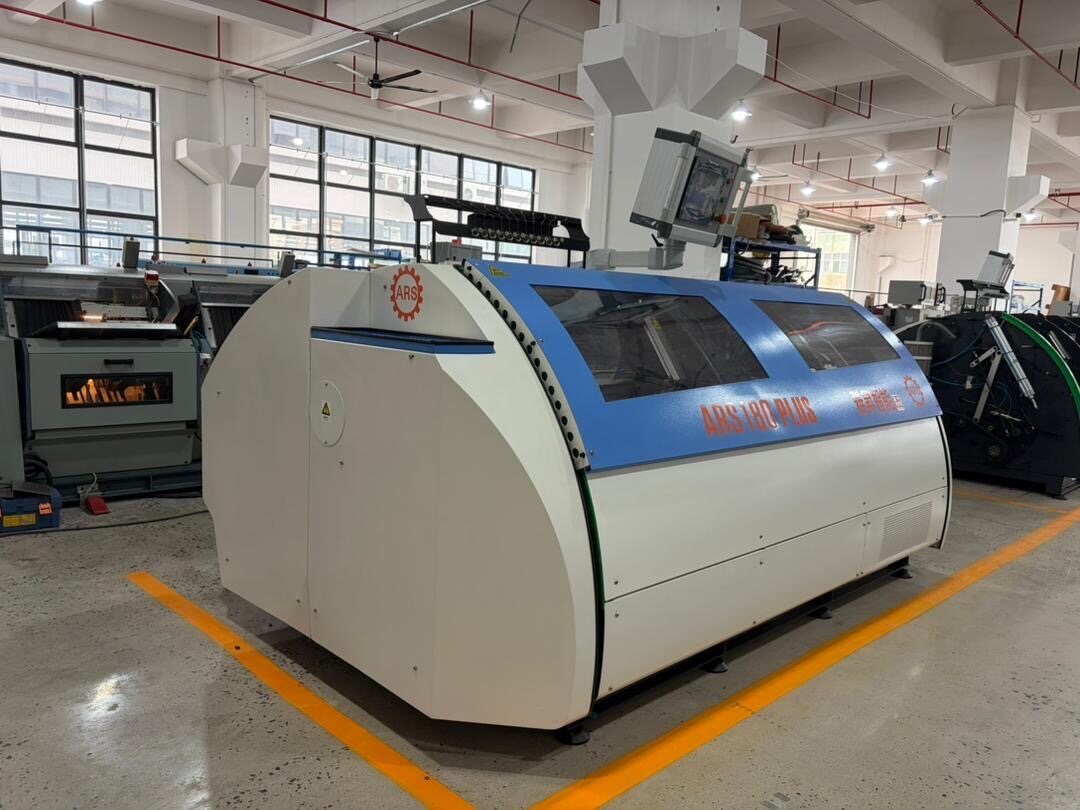
It's not just bolting robots onto old lines. For premium notebooks, AI now ties the full workflow: C2M order parsing → digital press color self-correction → auto thread sewing with adaptive speed/thickness adjustment (yes, like the ARS units we talked about earlier) + vision-based wrong-signature detection → AGV material transfer → force-controlled robots for leather cover fitting and ribbon positioning. Jobs that used to need 3 skilled artisans per shift now run with 1 supervisor and zero hands-on work.
The real pros and cons
Pros: Long-term labor costs drop 60–70%. Reject rates for premium case-bound books fall from ~3% to under 0.5% — AI vision never gets tired, so it catches scratched covers, wrong page orders, and loose stitches every time. Flexibility is the bigger win: short-run custom notebooks (personalized names, bespoke inner layouts) can run profitably, which was impossible for manual lines stuck on 500+ unit minimums. Full data traceability also seals the deal for luxury clients who want audit trails for every stitch tension and glue temp.
Cons: Upfront CAPEX is brutal — a full line runs $2M+, small/mid shops can't touch it. There's also a "craft gap": premium processes like hand-feel leather embossing rely on artisan intuition, and AI needs months of master-fed data to match that quality. Plus, single-point failure risk: if one AI node glitches, the whole line stops, no "manual backup" like old semi-auto setups.
Where it's headed, and the hurdles
We'll see small-scene AI models trained specifically for binding (not generic LLMs) cut deployment costs by 40% next 3 years. The smartest shops are already creating "artisan-AI hybrid" roles: old-school binders train AI on craft nuances instead of being replaced. AI energy optimization will also shave 30% off per-unit power bills for 24/7 runs.
Biggest challenges? No cross-brand protocol standard — your sewing machine, AGV, and digital printer likely speak different languages, so integration costs extra. Talent gap is worse: you need people who know both binding and basic AI, not just robot techs. And ultra-luxury handmade notebooks (Hermès-tier) still need that "imperfect human touch" — fully lights-out can't fake that premium feel yet.
Bottom line
Lights-out isn't about replacing people. It's about offloading repetitive, high-error work to AI so your team can focus on custom, high-margin jobs. Winners will run hybrid lines: AI for volume, humans for the top 1% luxury. Pure lights-out or pure manual will both get squeezed.
Tags
Share This Article
Need Help Choosing Equipment?
Our technical experts can provide personalized recommendations based on your specific production requirements and budget.
Contact Our Team